Ever wondered how digital creators make such perfect character designs? It can be tough to mix complex textures like latex with fantasy details. This makes creating the perfect look for your virtual models a big challenge.
Using the right wardrobe builder can make your creative process smoother. It helps you go from idea to final image easily. With professional tools, your ai porn game outfits will look great in any style. This guide will show you how to use software well and keep your designs looking top-notch.
Key Takeaways
- Learn to navigate complex design software with ease.
- Master the transition from concept art to final 3D render.
- Discover techniques for layering textures like latex and fabric.
- Improve your workflow efficiency using a dedicated design tool.
- Maintain high aesthetic standards for all your character models.
Understanding the Mechanics of AI Porn Game Outfits
To excel in character customization, you need to understand how algorithms work. The creation of ai porn game outfits uses complex models. These models turn text into detailed visuals. Knowing how this works lets you shape the final look more precisely.
How AI Wardrobe Engines Process Style Prompts
When you give a prompt, the engine breaks it down into latent features. These features include things like shape, length, and style. The software then uses this data to create a complete outfit.
To get the right ai porn game outfits, be specific about what you want. Mentioning the cut and fit helps the AI focus. This back-and-forth lets the AI get closer to your vision.
The Role of Texture and Material Mapping
After the shape is set, the engine adds texture and material. This step is critical for realism. It shows how light behaves on the fabric’s surface.
Advanced engines use normal maps and specular highlights for depth. By tweaking these, you can make simple ai porn game outfits look detailed and real. Learning these technical skills makes your designs stand out in any virtual world.
Setting Up Your Digital Wardrobe Builder
Creating a professional digital workspace is key to improving your creative work. A robust workflow helps you avoid technical issues that slow you down. This way, you can focus more on the creative aspects of your projects.
Selecting the Right AI Game Engine for Customization
Choosing the right software is crucial for your success. Not all engines are good for creating detailed ai porn game outfits. Look for engines with strong modding communities and support for high-resolution textures.
Here are some top platforms for your needs:
- Koikatsu Sunshine: It has a huge library of user-made assets and easy-to-use character cards.
- HoneySelect 2: It has top-notch lighting and realistic skin shaders for detailed results.
- Custom Unity Builds: Ideal for those who want full control over physics and complex mesh layers.
Navigating the User Interface for Asset Management
After picking your engine, learn to manage your assets well. A messy library can slow you down. Use a clear folder structure for textures, meshes, and presets.
Getting good at the interface takes time and practice. Most advanced engines let you drag and drop components onto models. Keeping your files organized makes creating ai porn game outfits fun and easy every time.
Designing Casual Everyday Looks
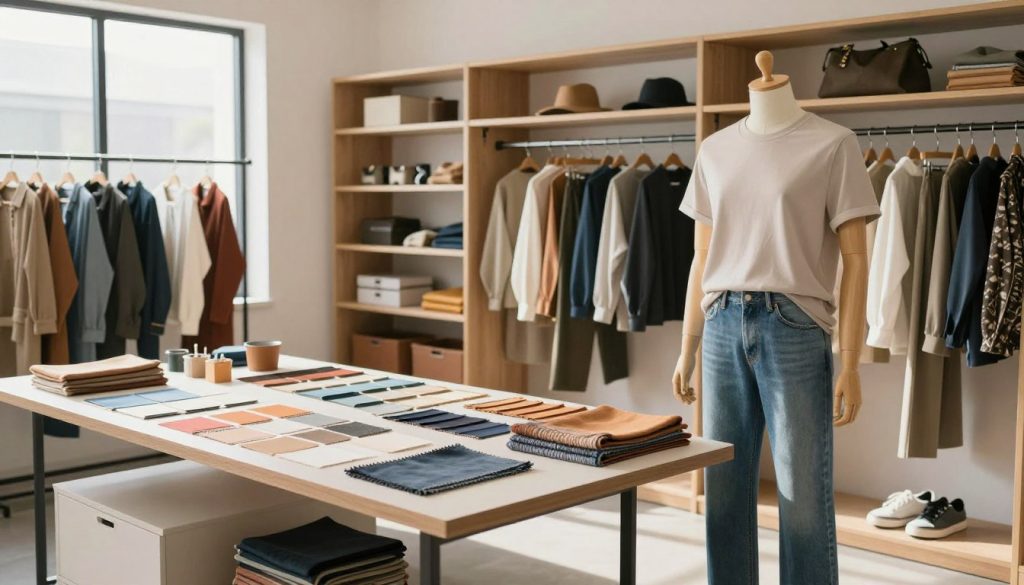
Creating daily wear for your characters is more than just picking clothes. It’s about how different pieces work together in your wardrobe builder. Think of your digital clothes like a real closet. This way, you can make outfits that feel real and lived-in.
Layering Basics for Realistic Daily Wear
Layering is key to adding depth to your character models. Start with a base layer, like a simple t-shirt. Then, add jackets, sweaters, or open shirts on top.
When layering in your wardrobe builder, focus on how clothes fit on your character. This prevents the outfit from looking flat. It makes your designs versatile and reliable for daily wear.
Selecting Fabrics and Textures for Casual Aesthetics
The look of your casual outfits depends on the textures you choose. Use materials that look like cotton, denim, and wool. These fabrics react differently to light, keeping your models believable.
For example, denim should have a coarse, matte finish. Cotton might look softer with subtle folds. By adjusting these textures in your wardrobe builder, you make each garment look real. This turns your casual designs into believable, everyday characters.
Crafting Immersive Fantasy Attire
Making fantasy clothes means mixing detailed designs with a unified look. Fantasy fashion lets you explore limits not seen in everyday clothes. Immersion comes from combining these creative pieces into a single, cohesive look.
Integrating Armor and Magical Elements
For a royal look, look at Mel Medarda from Arcane. Her style uses deep reds, rich jewel tones, and shimmering gold. You can achieve this by layering metallic armor over flowing fabrics.
Adding magic to your design, focus on how light interacts with your materials. Use glowing maps for runes or jewelry to stand out against dark armor. This contrast makes your character look powerful and real in the game world.
Balancing Historical Accuracy with Fantasy Flair
Great fantasy designs often start with real-world history, then add magic. Begin by studying medieval or renaissance styles for weight and purpose. Then, add imaginative flair with big pauldrons, fancy filigree, or bold colors.
This balance keeps your designs from looking like random parts. Use the table below to organize your design when creating your next fantasy outfit.
| Design Element | Historical Basis | Fantasy Enhancement |
|---|---|---|
| Armor Plating | Steel or Iron | Gold or Enchanted Alloys |
| Base Fabric | Wool or Linen | Silk or Glowing Textiles |
| Color Palette | Earth Tones | Jewel Tones and Metallics |
| Accessories | Leather Straps | Floating Runes or Gems |
Mastering Latex and High-Gloss Materials
Creating high-gloss latex outfits online needs a deep grasp of light and physics. It’s like professional costume shops in Chicago that offer top-notch rentals. Your digital clothes need detailed material mapping to look real. Precision is key to making your character models shine with a professional look.
Adjusting Lighting and Reflection Parameters
To get the shine of latex right, tweak your engine’s lighting settings carefully. High-gloss surfaces need specular highlights and reflections to show their texture. Too much can cause distracting visual issues that ruin the feel.
Begin by tweaking the roughness and metallic maps of your material. A low roughness and high metallic intensity give that classic, shiny look. Always check your materials under different lights to keep reflections smooth as your character moves.
Managing Skin-Tight Physics and Clipping Issues
Working with tight clothes is tricky, especially with mesh deformation. Latex hugs the body, so even small movements can show the mesh. You need to make precise mesh adjustments to keep the clothes moving with the character.
Using weight painting and collision layers helps solve clipping problems. For persistent distortion, try adding a small offset to the mesh or use dynamic physics for fabric movement. Keeping this level of detail makes your work as sharp as a custom stage outfit.
| Material Type | Reflection Level | Physics Complexity | Best Use Case |
|---|---|---|---|
| Standard Latex | High | Moderate | Everyday Wear |
| Patent Leather | Medium | Low | Formal Attire |
| High-Gloss PVC | Very High | High | Fantasy/Cosplay |
| Vinyl Coating | Medium-High | Low | Action Gear |
Executing Detailed Cosplay Recreations
To master digital character recreation, focus on the small details that define them. A clear plan for your design workflow is crucial. Treat each character as a collection of distinct pieces for a recognizable and polished final output.
Breaking Down Character Designs into Modular Parts
Breaking down complex outfits into smaller parts is key to successful cosplay. Start with the core silhouette of the character. Then, add the unique components that make them stand out. This way, you can easily swap items without losing the design’s integrity.
Accessories like wigs, glasses, and jewelry are vital for a realistic look. They help turn simple outfits into recognizable character designs. These small details are often what people notice first.
Utilizing Reference Images for Accurate AI Generation
Reference images are the blueprint for your AI generation. High-quality visual data helps capture textures and colors accurately. Consistency is key to match the character’s exact look.
Align your prompts with the unique features in your reference images. If a character has specific fabrics or metallic sheens, mention them in your parameters. This attention to detail will make your work a true digital cosplay masterpiece.
Applying Custom Colors and Patterns
Getting a professional look in your designs is all about controlling colors and layering. By going beyond the basics, you can turn simple assets into unique, branded pieces that grab attention. Learning these skills lets you add your own touch to every outfit you make.
Using Color Wheels and Hex Codes for Precision
Color wheels are essential for keeping your colors in harmony. They help you pick out colors that work well together, like complementary or analogous schemes. Consistency is key when creating a unified look for your characters.
For exact color matches, use Hex codes. These six-digit codes ensure your colors look right on all fabrics and under different lights.
Layering Patterns and Decals Over Base Textures
After setting your base colors, add depth with patterns and decals. This means putting secondary textures over your main material for detailed designs. Play with opacity to mix these layers smoothly into the fabric.
Decals can elevate a simple shirt into a fashion statement. By layering, you achieve a three-dimensional look that makes your clothes seem real and high-end. Here’s a table to show how different methods affect your design:
| Method | Primary Benefit | Best Use Case |
|---|---|---|
| Hex Code Tinting | Perfect Color Matching | Uniforms and Branding |
| Pattern Overlay | Visual Depth | Fabric Textures |
| Decal Placement | Custom Detailing | Logos and Emblems |
| Opacity Masking | Seamless Blending | Weathering Effects |
Advanced Techniques for Outfit Layering
Creating complex digital outfits needs a deep understanding of layer interactions. As you stack garments, how they sit against the character model matters a lot. Precision in layering makes your final look polished and intentional, not messy.
Managing Clipping and Mesh Conflicts
Clipping happens when two meshes overlap, causing textures to flicker. Use collision offsets to create space between layers. Adjusting the weight painting of your clothes also helps, making them move with the character’s body.
For mesh conflicts, try using a transparency mask to hide parts of the body under clothes. This trick reduces what the engine needs to render. Proper mesh management is key to a high-quality digital wardrobe.
“The beauty of digital design lies in the balance between artistic vision and the technical constraints of the medium.”
Optimizing Outfit Complexity for Performance
Too many high-poly accessories can slow down performance. Keep an eye on your polygon count to ensure smooth movement. Optimizing your assets means simplifying geometry and using lower-resolution textures for secondary layers.
Grouping your outfit components into one draw call helps too. This reduces engine strain and keeps the frame rate stable. By mastering these technical skills, you can explore your creativity without losing smoothness in the user experience.
Troubleshooting Common Generation Errors
Even the most experienced designers sometimes run into frustrating glitches. These can happen when working on complex textures or detailed meshes. A systematic diagnostic approach is key to keeping your ai porn game outfits looking professional.
When you see visual bugs, start by finding the asset causing the problem. Test each part separately to see if it’s the base model or the clothing layer. This saves time and reduces frustration when making ai porn game outfits.
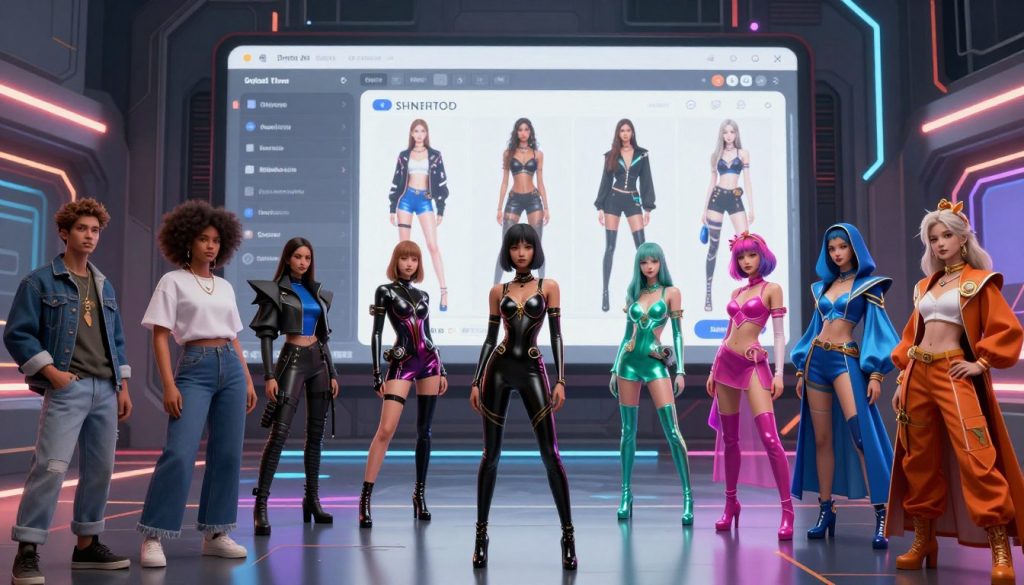
Fixing Texture Distortions and Artifacts
Texture distortions happen when UV maps don’t match the character mesh. If you see stretching or pixelated patterns, check your texture resolution settings first. Sometimes, just re-applying the material or adjusting the tiling can fix these issues right away.
Another common problem is an incompatible shader setup. Make sure your lighting settings match the outfit’s material properties. If textures look muddy or flat, check that your normal maps are correctly linked to the engine. Proper material mapping is crucial for realistic ai porn game outfits in different lights.
Resolving Compatibility Issues Between Assets
When layering items on a character model, compatibility issues can pop up. Clipping or mesh tearing often means conflicting weight painting or rigging data. Check the vertex groups to make sure the clothing moves with the character.
To fix these problems, try using a mesh-smoothing tool or adjust the collision boundaries of your assets. If two items overlap, you might need to hide certain polygons on the base model. Learning these adjustments helps you create seamless ai porn game outfits that work well in your game engine.
Refining Your Workflow for Faster Creation
Boosting your creative output is easier when you refine your workflow. Using a wardrobe builder is key, but managing your time is just as crucial. By adopting structured habits, your projects stay consistent and professional.
Saving Presets and Templates for Future Use
Creating a library of reusable assets saves a lot of time. Instead of starting from scratch, save your designs as presets or templates. This lets you apply complex settings to new characters with just one click.
Think of these templates as your foundation for future projects. Saving a wardrobe builder configuration keeps your style consistent. It preserves your texture mapping and lighting adjustments.
Batch Processing Multiple Outfit Variations
Batch processing lets you create multiple outfit variations at once. By setting up a queue, your system works while you focus on other tasks. This is great for testing different colors or textures on the same mesh.
This approach makes your workflow much faster. You don’t have to wait for each render to finish before starting the next. Here’s how much faster you can work with automated workflows.
| Workflow Feature | Manual Process | Automated/Batch Process |
|---|---|---|
| Asset Setup | High time investment | Instant template loading |
| Variation Testing | One by one | Simultaneous generation |
| Consistency | Prone to human error | Uniform output quality |
| Output Speed | Slow and repetitive | High-speed throughput |
Conclusion
Creating digital outfits is a mix of technical skills, artistic vision, and managing your workflow well. You now have the basics to turn simple character models into detailed, engaging experiences.
Using AI engines lets you explore endless creative possibilities. Whether it’s everyday clothes or elaborate fantasy armor, you have the tools to innovate. Regular practice in texture mapping and mesh optimization will improve your work.
Don’t stop trying new styles and materials to keep your digital wardrobe fresh. Share your designs with others to inspire and get feedback. Your journey in advanced character customization is just starting.
Stay open to new software updates and techniques. The world of AI-driven fashion is always changing, giving you chances to get better. Start your next project today and see where your creativity takes you.
FAQ
How can I ensure my casual digital outfits look realistic?
To make casual wear look real, focus on layering and picking the right fabrics. Choose materials like cotton, denim, and wool. Use a wardrobe builder to mix basic digital assets. This creates a “closet cosplay” effect, making your character look real and not fake.
What is the best way to design immersive fantasy attire like the characters in Arcane?
For fantasy outfits, take inspiration from designs like Mel Medarda’s. Mix historical accuracy with creative elements. Blend armor with fabrics to make your characters look powerful and real in your game world.
How do I handle the unique reflections of latex and high-gloss materials?
When working with latex or shiny materials, adjust lighting carefully. This ensures the shine looks right without any visual problems. Also, pay attention to how tight clothes move and adjust meshes to avoid clipping.
Can I recreate specific cosplay designs using AI generation tools?
Yes, you can recreate cosplay designs with AI tools. Break down designs into parts and use high-quality images for reference. Focus on key accessories and shapes. This way, you can bring real-world cosplay to digital spaces with great detail.
How do I achieve precision when applying custom colors and patterns?
For precise colors and patterns, use Color Wheels and Hex Codes in your design tools. Layer decals and patterns over textures to create detailed designs. This keeps your designs sharp and professional on different models.
What should I do if my layered outfits are experiencing mesh clipping?
Mesh clipping is common with layered outfits. Manage mesh weights and adjust layer closeness to fix it. In Unreal Engine 5, optimizing outfit details helps avoid visual problems.
How can I speed up my workflow when creating multiple outfit variations?
To work faster, save presets and templates for later use. Batch process outfit variations to quickly create many looks. This keeps your designs consistent and speeds up your work.