Ever wondered why some virtual experiences feel like a blockbuster movie? It’s often because of how they’re framed. By learning cinematic techniques, you can make digital interactions look like a pro production.
This guide shows how to make virtual scenes look amazing. You’ll learn to use precise motion paths to pull viewers in. Your interactive storytelling will soar. Whether you’re improving your setup or exploring new ideas, knowing these ai porn game camera angles is crucial.
Using these film standards, you’ll control what the viewer sees. Get ready to make your content stand out and connect with your audience on a deeper level.
Key Takeaways
- Mastering motion paths significantly increases user immersion.
- Professional framing techniques bridge the gap between play and film.
- Strategic perspective shifts guide the viewer’s emotional response.
- Consistent visual standards create a more polished final product.
- Advanced manipulation of virtual environments is key to high-quality results.
Mastering AI Porn Game Camera Angles for Cinematic Immersion
True cinematic immersion in adult gaming begins with camera placement. Knowing how camera position affects emotions gives you control over scenes. By mastering ai porn game camera angles, you set the mood and intensity of every scene.
Focus on framing subjects to add depth and narrative tension. This is key for adult gameplay that feels professional. Using specific cinematic angles turns simple scenes into engaging stories.
“The camera is the eye of the audience, and its placement determines whether they are merely watching or truly feeling the moment.”
Try different cinematic angles to control the player’s focus. This precision makes the experience more engaging and visually stunning. Refining your ai porn game camera angles brings your animation to high-end digital levels.
Remember, keeping visual consistency is crucial. Careful shot selection keeps players in your virtual world. Consistent framing defines your project’s quality.
Setting Up Your Virtual Camera Environment
Your virtual camera environment is key for top-notch scenes. Before you start, adjust your settings for stability and visual clarity. A good workspace is crucial for mastering your ai camera nsfw workflow.
Configuring Field of View and Depth of Field
Setting the right field of view (FOV) lets you capture more of your surroundings. A wider FOV makes scenes feel bigger and more professional.
Depth of field (DOF) is also vital for isolating your subject from the background. The right DOF settings focus the viewer’s attention where you want. This is key for ai camera nsfw projects, adding depth to your digital content.
Adjusting Camera Sensitivity for Smooth Movement
Camera sensitivity needs to be adjusted to avoid jarring movements. High sensitivity can cause shaky, distracting motion.
Go for smooth, fluid motion that feels natural. Fine-tuning these settings keeps your ai camera nsfw stable during action scenes. Smooth movement makes your virtual production engaging and polished.
Implementing Drone Motion Paths for Wide-Angle Shots
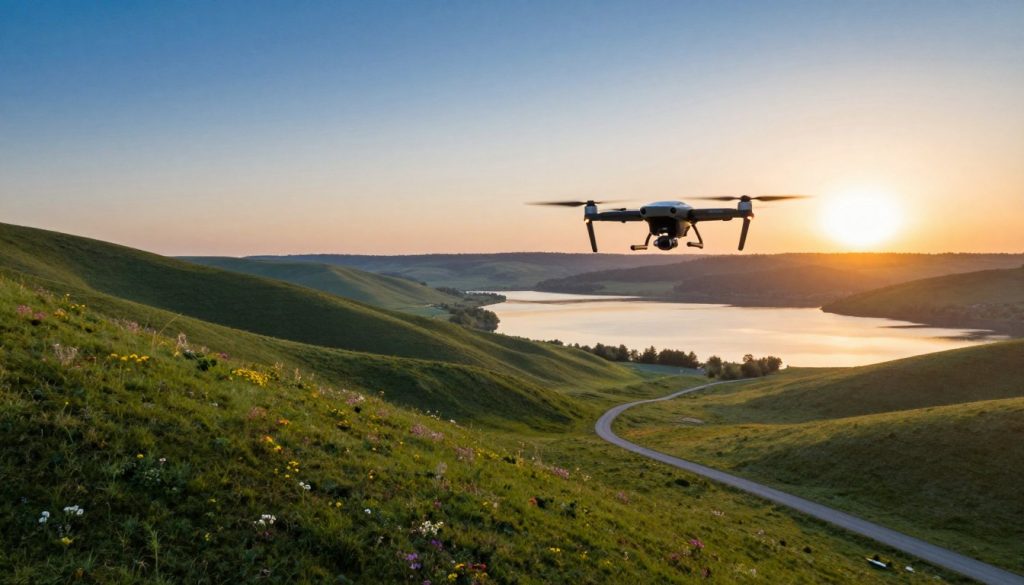
Starting your visual story with drone movements can really elevate it. These methods help show the grand scale of your virtual world. Moving the camera through space gives your viewers a deep sense of being there, something still shots can’t offer.
Creating Sweeping Aerial Perspectives
For a full view of a place, try a Drone Fly Over. This path moves the camera over the landscape, showing more as it goes. It’s great for showing a location or moving between different parts of your game world.
A Large Scale Drone Orbit makes a big circle around your subjects. It’s perfect for showing how characters relate to their surroundings. Keeping a steady distance, it keeps the viewer focused on the action while enjoying the cinematic depth of the scene.
Utilizing Automated Tracking for Dynamic Scenes
For complex scenes, you need precise camera control. Automated paths are a reliable choice, keeping your wide-angle shots steady and professional. You can set these paths to follow certain points, letting you focus on your characters’ performances.
Automated tracking means no shaky or uneven shots during intense moments. This is key for keeping your project’s visual integrity. With the software handling the camera path, you can work on the scene’s look and lighting with more confidence.
Achieving Realism with Handheld Camera Techniques
Mastering handheld camera techniques can turn static gameplay into a real experience. Smooth motion in games can feel too perfect and fake. By adding intentional imperfections, you make it feel more like a real film.
Simulating Natural Human Tremor and Weight
To capture the real feel of a camera operator, use a Handheld Documentary Style. This style mimics the natural sway of holding a camera. Adding a slight shake makes the scene feel real and grounded.
Think about the camera’s weight when adjusting settings. A heavy camera moves slower, while a light one shakes more. Balancing these variables makes the camera feel like it’s part of the scene.
Applying Shake Effects for High-Intensity Moments
For intense scenes, you need more than just normal movement. Use strong shake effects to match the action. This visceral feedback pulls the viewer into the story.
Try a Dutch Angle for extra tension. Tilting the camera sideways creates unease, perfect for big moments. With shake, it makes the scene feel even more real.
Optimizing POV Angles for Enhanced Player Engagement
Point-of-view angles put players right in the action. By matching the camera to the character’s view, you create a seamless bridge between the player and the game world. This makes players feel like they’re really there, unlike third-person views.
Aligning the Camera with Character Eye-Level
To really immerse players, place the camera where the character’s eyes are. Using a POV Walk makes the character’s movement feel natural. This keeps the scene from feeling stiff or fake.
Keeping the camera steady is crucial, especially in complex scenes. If it moves too much, players lose that connection to the character. Precision in height adjustment makes every action feel real and connected.
Managing Peripheral Vision and Focus Shifts
First-person views are great, but Over the Shoulder (OTS) shots are also key. They let you focus on one thing while keeping the character’s view. This invaluable tool helps build close bonds and emotional depth in important moments.
Controlling what players look at can also boost engagement. By guiding their gaze, you control the scene’s flow. Strategic focus management keeps the game exciting and keeps players hooked on the story.
Advanced Techniques for Cinematic Transitions
Learning to smoothly move between shots is key to making your edits stand out. Transitions are like the essential glue that keeps your scenes together. They help keep the viewer engaged and immersed.
The Whip Pan is great for fast, energetic transitions. It moves the camera quickly, creating a lively feel between scenes. For something more unique, try the Barrel Roll. This spins the camera 360 degrees while moving forward, adding a touch of drama.
Blending Between Drone and Handheld Perspectives
Mixing drone shots with handheld footage adds excitement to your visuals. Make sure the drone’s speed matches the start of the handheld shot. This keeps the flow smooth and prevents jarring cuts.
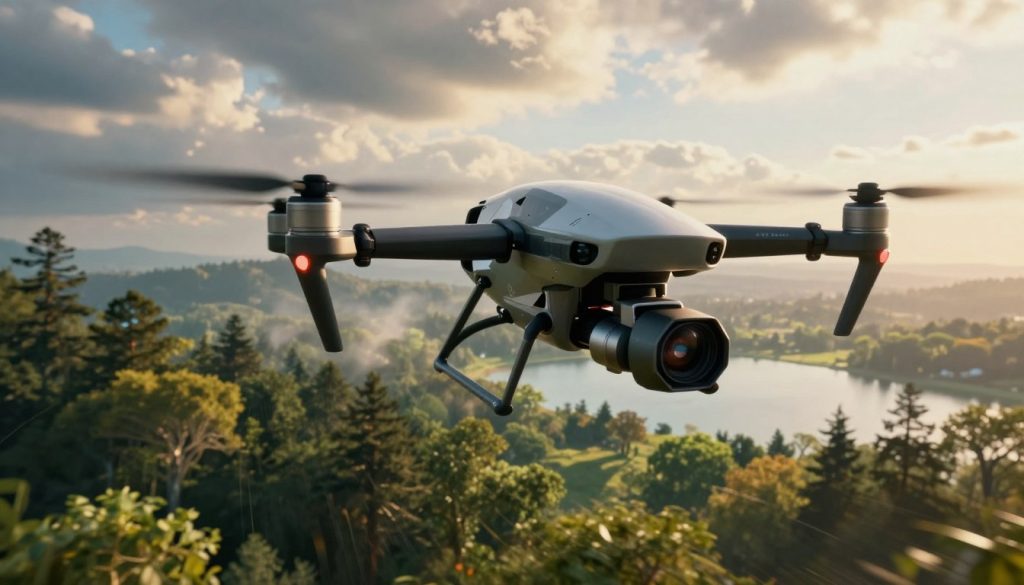
When switching from drone to handheld, use a quick zoom or pan. This blending technique makes the transition feel natural. Always match the lighting levels to keep the scene looking consistent.
Using Keyframe Animation for Seamless Motion
Keyframe animation lets you control the camera’s path precisely. By setting key points in your timeline, you can plan out the camera’s movements. Smooth interpolation between these points is crucial for avoiding jerky motion.
Play with easing functions to make your camera movements feel more natural. A slow start and a soft stop can add a cinematic polish to your transitions. Remember, gentle movements can be more effective than sudden ones in guiding the player’s attention.
Troubleshooting Common Camera Glitches in AI Games
Even the most advanced virtual environments can sometimes have visual glitches. These glitches can ruin your experience in an ai camera nsfw session. Luckily, most problems come from simple settings that you can change in a few minutes.
Fixing Clipping Issues Through Wall Collision Settings
Clipping happens when your camera lens goes through solid objects like walls. This disruptive effect often occurs because the collision detection isn’t set right for your view. Go to your engine’s collision settings and turn on “Camera Collision” or “Wall Clipping Prevention.”
By making the collision radius bigger, you tell the software that the camera can’t go through solid things. This keeps your view within the scene’s boundaries. It helps keep your project looking professional without needing to change complex code.
Correcting Camera Jitter and Tracking Errors
Shaking or erratic camera movement might be due to tracking errors. First, check if you’re using a Fisheye or Peephole lens setting. These wide-angle settings can mess with the software’s tracking and cause jitter.
Switching to a standard lens usually fixes these tracking problems right away. If the jitter still happens, try lowering your sensitivity settings. This helps the camera not over-react to small movements. Keeping your ai camera nsfw settings balanced is key for a smooth, professional look.
| Issue Type | Primary Cause | Recommended Fix |
|---|---|---|
| Clipping | Disabled Collision | Enable Wall Collision |
| Jitter | High Sensitivity | Reduce Input Smoothing |
| Distortion | Fisheye Lens | Reset to Standard Lens |
| Tracking Loss | Occlusion | Adjust Camera Pivot |
Refining Your Visual Style with Lighting and Composition
To make your virtual scenes look professional, you need more than just movement. You also need to focus on framing and light. Mastering these elements can turn regular gameplay into a high-quality production that grabs the viewer’s attention right away. Using cinematic angles is key to taking your work to the next level.
Applying Rule of Thirds to Adult Gameplay
The rule of thirds is a basic rule that makes your frames balanced and pleasing to the eye. It involves dividing your screen into a grid of nine equal rectangles. This way, you can place your subjects along the lines or at their intersections.
This technique helps avoid static or boring scenes. It keeps your scenes interesting and engaging.
- Create tension: Place your subject off-center to draw the eye toward the negative space.
- Enhance depth: Use the grid to align foreground elements with background subjects.
- Improve flow: Guide the viewer’s gaze naturally across the screen during movement.
You can also use a Rack Focus to shift the viewer’s attention. This technique creates a professional depth of field effect, like in high-end films. It’s a great way to control where the audience looks during intense moments.
Balancing Ambient Light with Subject Focus
Lighting sets the mood and clarity of your virtual world. Too much ambient light can make your subject lose detail. Too little, and the scene becomes hard to see. You need to find a balance that highlights your subject while keeping the atmosphere right.
Trying a Top Down or God’s Eye View can offer a unique perspective. This angle helps manage light sources better, keeping your subject in focus. Here are some tips for better lighting:
| Lighting Technique | Primary Benefit | Best Use Case |
|---|---|---|
| Rim Lighting | Separates subject from background | Dramatic character shots |
| Soft Ambient | Reduces harsh shadows | Intimate, slow-paced scenes |
| Key Light Focus | Directs viewer attention | Highlighting specific actions |
Adjusting these variables carefully ensures your cinematic angles stay consistent. Consistency in your visual style connects better with your audience. Always check your composition to make sure every frame tells a clear story.
Conclusion
Learning drone, handheld, and POV camera techniques is key to making great adult content. You now have the skills to make scenes come alive and grab your audience’s attention.
Doing well in this field means finding the right mix of technical skills and creativity. You control the viewer’s experience by choosing camera movements and focus points.
Keep trying new things to get better. Experiment with different camera paths and lighting to see what your viewers like. With practice, you’ll develop a unique style that stands out.
Your journey as a creator grows with each project. Always aim to improve your virtual cinematography skills. Share your work and keep honing your craft to make a lasting impression online.
FAQ
How can I use drone-style movements to establish the scale of my virtual environment?
To show the size of your virtual world, try a Drone Fly Over. This lets you move across a scene smoothly. Or, use a Large Scale Drone Orbit for a big circle around your subjects. These methods keep your wide shots steady and professional, showing off the space in a grand way.
What is the best way to add a layer of raw realism to my scenes?
Handheld camera techniques can make your scenes feel real. Use a Handheld Documentary Style for a bit of shake. This makes the scene feel more real and connected. For drama or disorientation, try a Dutch Angle (Roll) to tilt the camera sideways.
Which camera angles are most effective for placing the player directly into the action?
Point-of-view angles are key for feeling like you’re in the game. A POV Walk (First Person Walk) simulates walking through a space. An Over the Shoulder (OTS) Shot frames one subject while showing another’s perspective. This builds intimacy and connection in key moments.
How do I create professional transitions between different cinematic sequences?
Smooth transitions are crucial for a polished look. A Whip Pan creates fast, extreme motion blur for quick transitions. For artistic effects, try a Barrel Roll (Vortex Inception Shot) to spin the camera 360 degrees while moving forward.
What should I do if I encounter technical glitches like clipping or distortion in my ai camera nsfw experience?
Clipping happens when the camera goes through geometry; adjust your wall collision settings. For distortion, check if you’re using a Fisheye or Peephole Lens. These wide-angle effects can mess with your tracking.
How can I elevate my gameplay composition to a professional standard?
Use a Rack Focus to shift focus from foreground to background, creating depth. A Top Down (God’s Eye View) offers a unique perspective. This helps balance light and keeps your subject in focus, using classic angles to improve your story.